Academic Resources
Fort Peck Community College (FPCC) has a mission to meet the unique educational needs of Native people on the reservation, as well as area and community members.
Fort Peck Community College (FPCC) has a mission to meet the unique educational needs of Native people on the reservation, as well as area and community members.
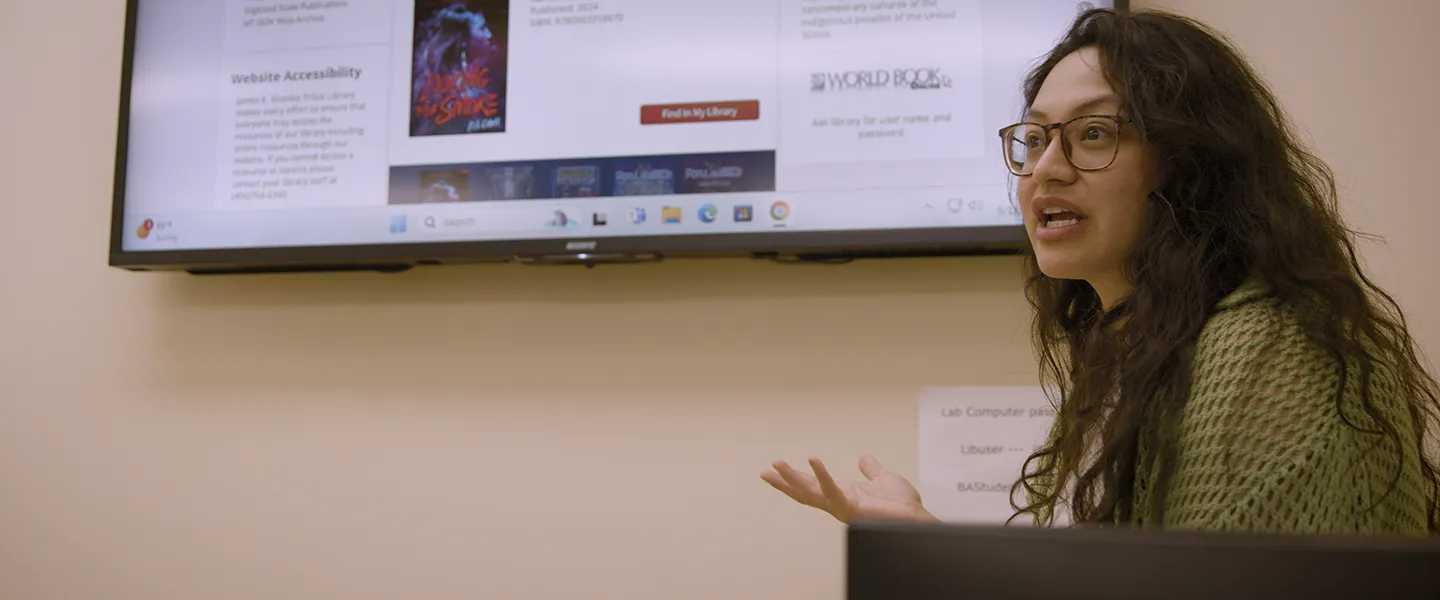
In conjunction with the Student Services, Community Services, and Institutional Development divisions, FPCC is prepared to provide a high standard of education at the community/tribal college level to the people of northeastern Montana.
Class Schedules
FPCC offers a variety of courses each semester to help students reach their educational goals. Classes will be held in various formats, including asynchronous, synchronous, polysynchronous, and in-person. Visit our course schedules to enroll today.
*Synchronous learning is interactive, two-way, online, or distance education that happens in real time with a teacher, whereas asynchronous learning occurs virtually online and through prepared resources, without real-time teacher-led interaction. Polysynchronous refers to learning situations which blend multiple channels of face-to-face asynchronous and synchronous online communication.
With a variety of academic and vocational offerings, the College is designed to improve the employability and efficiency of current and prospective students. These academic programs include: Associate of Arts, Associate of Science, Associate of Applied Science, and several Certificate programs. To ensure quality and academic integrity, FPCC maintains full accreditation by the Northwest Commission on Colleges and Universities (NWCCU).
FPCC has a well-qualified faculty with advanced degrees. FPCC courses are taught by 20 full-time faculty members and 24 adjunct faculty members. Three of the full–time faculty members have PhDs, 7 have Master’s degrees, and 5 have Bachelor’s degrees. Six vocational instructors have industry certifications. Adjunct (part-time) faculty have qualifications similar to full-time faculty.
Course Catalog
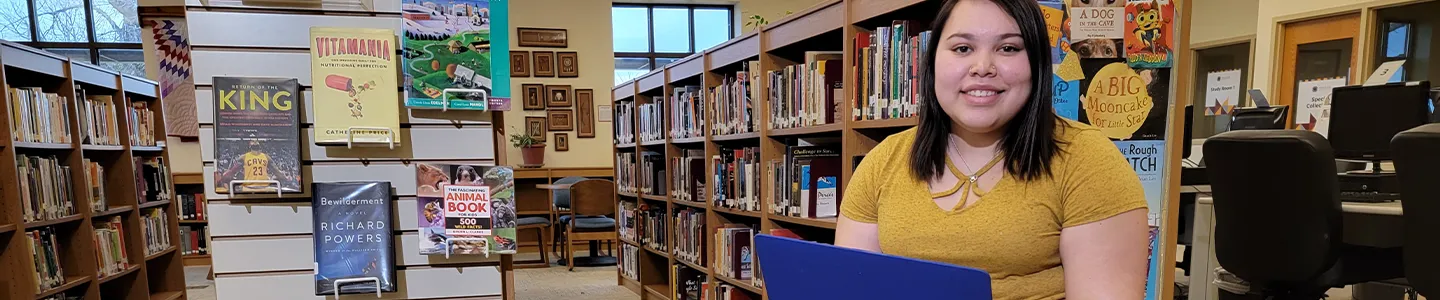
The course descriptions present a brief synopsis of the course purpose and content. Students who wish for more detailed information should request a copy of the course syllabus from the instructor. This electronic version supersedes the printed version of the 2023-2025 Course Catalog.
Students must consult the semester schedule printed and distributed before registration to find the dates, times, and location of the courses. General education courses required for the Associate of Arts degree and the Associate of Science degree are offered at least once during the academic year. Courses listed in the programs of study for the Associate of Applied Science degree are offered at least once during a two-year cycle. Courses listed in the program of study for the certificate are offered at least once during the academic year. Some courses, especially at the 200 course level, may be available only once during a two-year cycle.
Courses numbered 100 through 199 are recommended for the first year of study. Courses numbered 200 through 299 are recommended for students with sophomore status. Courses with numbers 099 and below do not carry college credit and cannot be used for degree requirements.
Cross-Referenced Courses
Fort Peck Community College is a participant institution in the Montana University System Transferability Initiative. The FPCC course numbers are listed first; the Montana University System course numbers are second.
Degrees
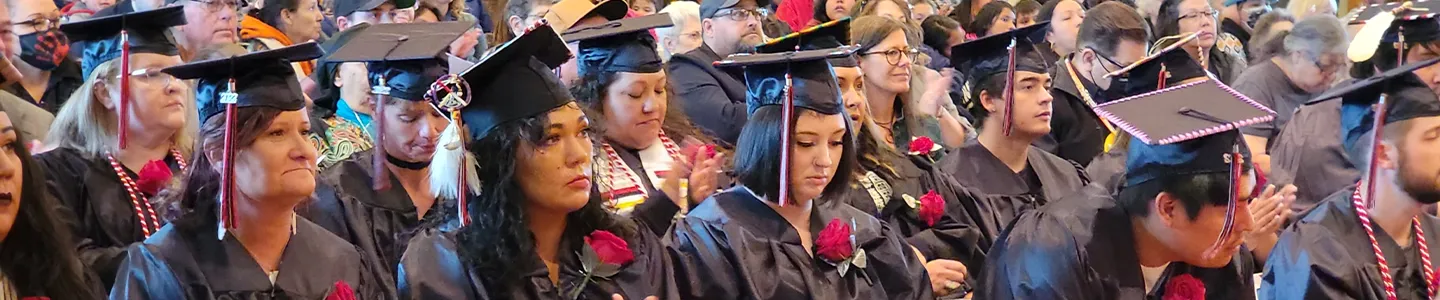
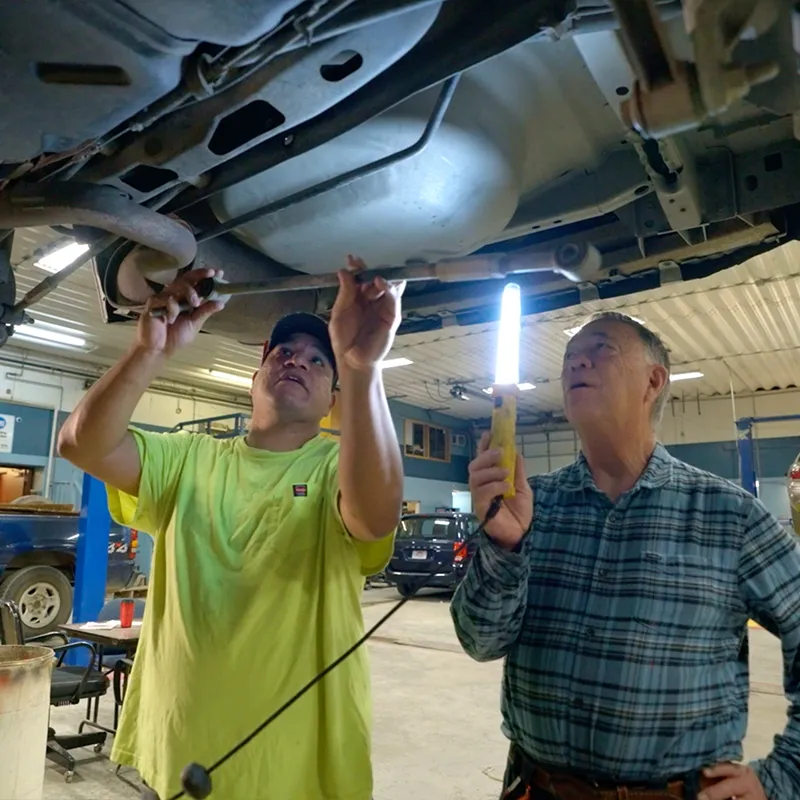
The AA degree and the AS degree contain general education core requirements similar to requirements at Montana colleges and universities. However, each institution also has degree requirements that may be unique to that institution. Students intending to transfer must consult the intended transfer institution and plan their programs of study accordingly. The Associate of Applied Science (AAS) degree is granted to a student who intends to enter immediate employment upon graduation from FPCC.
The AAS degree requires related instruction requirements (not recommended for transfer credit). Students intending to graduate with an AAS degree must declare an occupational objective and pursue a vocational/technical program of study.
If general education courses are required in a program area, the courses can be counted towards fulfilling the general education core as well as the program requirement. However, students need to be aware that the number of credits for the course only counts once toward the total credits of the degree. In other words, if a course is counted as fulfilling a general education core and a program requirement, additional credits need to be found to meet the specific degree total. Students are urged to consult their academic advisor and the course requirements for their degree prior to selecting courses in general education.
Associate of Arts
Associate of Science
Associate of Applied Science
Certifications
The One-Year Certificate programs are intended to provide students with entry-level skills in specific occupations.
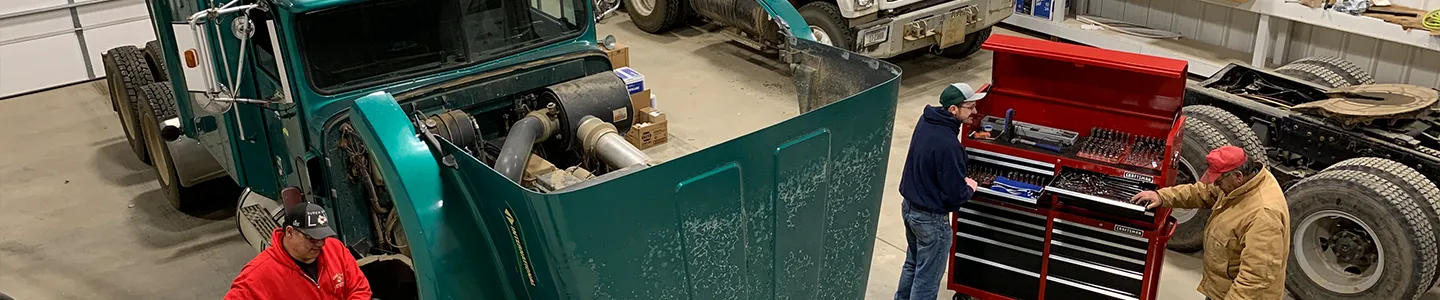
One Year Certificate Programs of Study
Certificate programs are intended to provide the student with training for immediate employment upon completion of one year of study. Certificates are terminal and not intended to transfer to other institutions. They tie into AAS degrees in business, computer technology, automotive technology, and business technology. Because of the concentrated training in the specific vocation, a minimum of ten credits in Related Instruction is required. The AA degree and the AS degree contain general education core requirements similar to requirements at Montana colleges and universities. However, each institution also has degree requirements that may be unique to that institution. Students intending to transfer must consult the intended transfer institution and plan their programs of study accordingly. The Associate of Applied Science (AAS) degree is granted to a student who intends to enter immediate employment upon graduation from FPCC.
Students intending to earn a certificate need to identify an occupational objective and follow the certificate programs of study as outlined in this catalog. The one-year certificate programs require related instruction (not recommended for transfer credit.)
Certificate of Technical Studies
Certificate of Applied Science
Continuing Education

The goal of Continuing Education is to provide life-long learning opportunities in a formal non-credit setting that meet professional development requirements for individuals in careers such as counseling, education, childcare, medicine, agriculture, construction, manufacturing, law enforcement, building maintenance, Native American studies, transportation, and business.
The following list is a small sample of Continuing Education courses that FPCC has offered in the past:
- Certified Nurses Aide Training
- Personal Care Assistant Training
- Tribal Courts Wellness Training
- Nakona Handgame
- Prescription Drugs of Abuse
- Search Warrant and Case Documentation Training
- 40 Hour Hazwoper Training
- 8 Hour Hazmat Refresher Training
- 10 Hour OSHA Construction Safety Training
- Gang Prevention Training
- Fort Peck Tribes Education Conference
- Tribal Language Summit
- Active Shooter Training
- Writing a business plan training
- Quickbooks Accounting Training
- Grant Writing Training
FPCC has the resources for many other training classes, too many to list. If you have a need for professional courses, feel free to call us below.
Forms
Contact Us